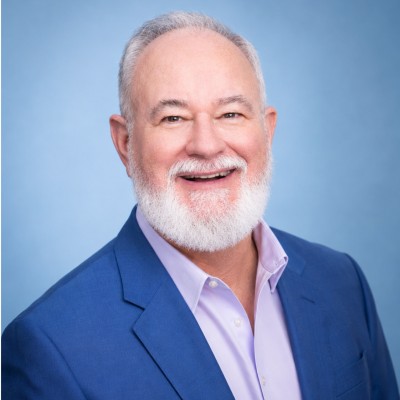
Lorin Beller is the founder of Lorin Beller & Co. and has spent more than 25 years coaching executives and leaders through business and personal transformation. She has a particular focus on Employee Stock Ownership Plans (ESOPs), ownership culture, and psychological safety. Lorin also works with women entrepreneurs, ESOP leaders, and financial advisors in transition and is the author of several books, including From Entrepreneur to Big Fish.


Here’s a glimpse of what you’ll learn:
- [04:25] Why Lorin believes intentions can be even more important than goals and how the way leaders show up affects their results.
- [06:00] How Lorin's experience selling her own company led her to become passionate about employee ownership and ESOPs.
- [08:00] Why changes in technology and AI don't necessarily mean a business is obsolete and how owners can adapt instead of reacting out of fear.
- [10:40] How employee ownership can preserve a company's people, institutional knowledge, culture, and connection to its community.
- [12:15] Two common myths about ESOPs and how owners can structure a transition around their desired role and future.
In this episode:
Selling a business doesn't have to mean losing the people, knowledge, and culture that made the company valuable in the first place.
In this episode, Adi Klevit interviews Lorin Beller about employee ownership, business transitions, and the role ESOPs can play in preserving a company's legacy. Lorin shares the story of selling a multimillion-dollar company she built with two partners and why, looking back, she wishes she had known about employee ownership. Her experience shaped her belief that owners should understand all of their options before deciding how to exit or transition their companies.
The conversation explores what can happen when employees become owners. Rather than allowing years of institutional knowledge to disappear after a sale, an ESOP can provide a path for employees to remain invested in the company's future. Adi connects this to the importance of getting knowledge and know-how out of people's heads and into the business so the organization can continue without being dependent on one person. Lorin expands the idea further, explaining how keeping a locally owned company intact can also have a positive impact on the surrounding community.
Lorin and Adi also discuss what owners need to consider before transitioning out of their businesses. A successful transition depends on more than the transaction itself. Owners need to consider whether they have the leadership team, knowledge, systems, and organizational structure necessary for the company to continue without them. Lorin explains that an ESOP can be structured in different ways, allowing an owner to leave, remain on the board, consult for a period of time, or transition into another role based on what they want their next chapter to look like.
Resources mentioned in this episode:
- Adi Klevit on LinkedIn
- Business Success Consulting Group
- Lorin Beller on LinkedIn
- Lorin Beller Website
- Lorin Beller's Books
Quotable Moments:
- “Goals are a part of it, but something that I realized over the years is much more important is intention and how we are showing up to make those goals happen.”
- “If I'm trying to make these goals happen, who am I being in the process?”
- “Don't be afraid. Look at how you offer what your unique offering is and do it really, really well.”
- “With the right team around you, there's someone who's going to walk you through something you've never done before.”
- “You can design it any way you want.”
- “It is a win-win for everyone, not just the owner."
Action Steps:
- Understand your transition options before deciding to sell. Explore alternatives such as an ESOP before assuming a traditional third-party sale is the only path available.
- Build a company that can continue without you. Develop leaders, document critical knowledge, and establish the processes needed for the organization to operate successfully after the founder steps away.
- Preserve institutional knowledge. Identify the expertise and know-how held by long-term employees and create systems for transferring that knowledge throughout the organization.
- Define what you want after the transition. Decide whether you want to leave completely, remain involved as a board member or consultant, or transition gradually into a different role.
- Consider the impact beyond the transaction. Evaluate how a potential sale or ownership transition will affect employees, customers, company culture, and the surrounding community.
- Don't react to disruption out of fear. When technology or market conditions change, examine how your company can adapt its offering before assuming the business can no longer compete.
Sponsor for this episode:
This episode is brought to you by Business Success Consulting Group.
At Business Success Consulting Group, we create custom processes and tailor-made management systems so businesses can thrive.
Businesses simply can’t survive without workable systems and well-documented processes. That’s why our team of experienced professionals takes care of it for you.
We provide business owners, entrepreneurs, and key executives with six phases to success, along with the long-lasting systems necessary to support business expansion.
So, what are you waiting for? Do yourself a favor and cut the chaos out of your business.
Visit bizsuccesscg.com today or email info@bizsuccesscg.com to schedule a free consultation.