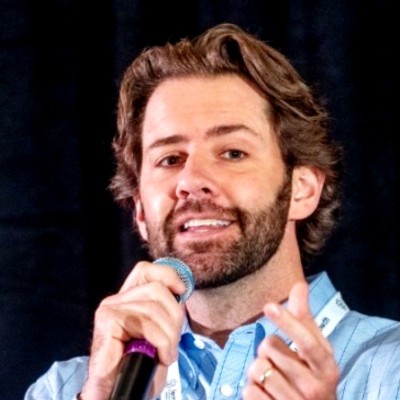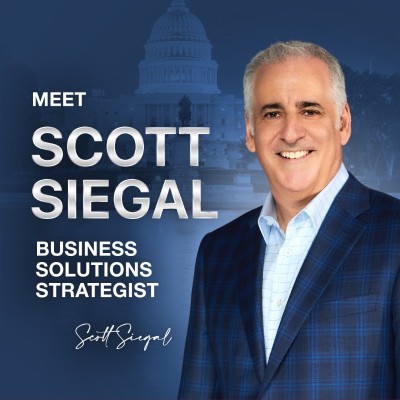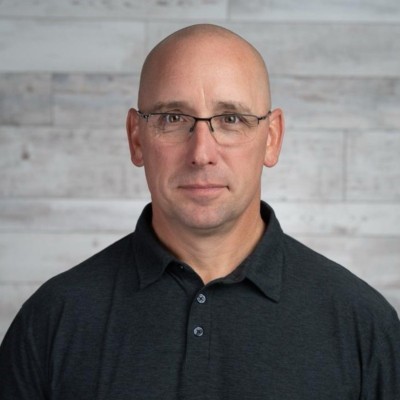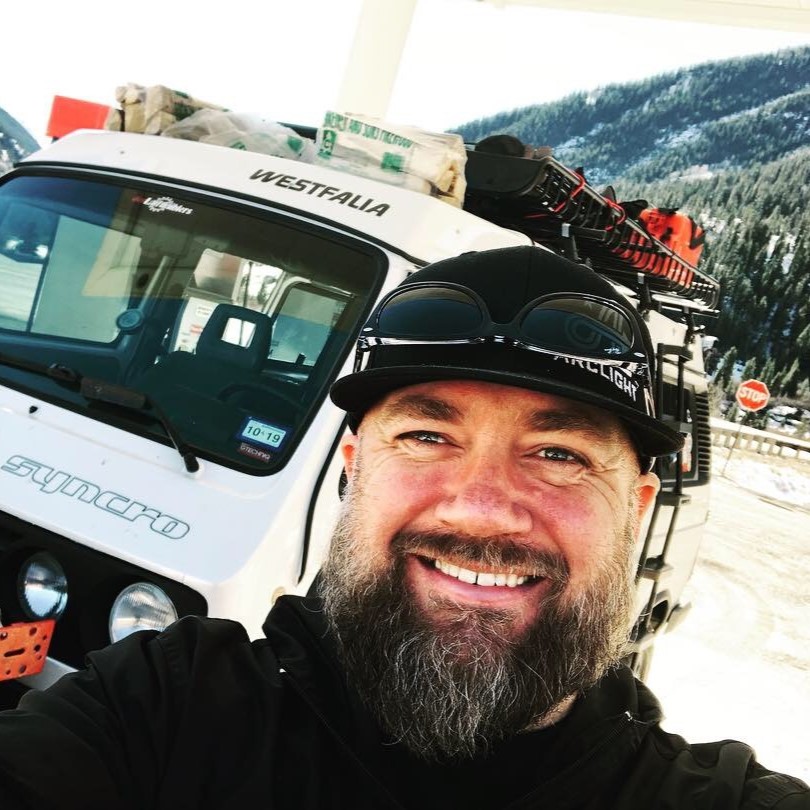
Eliot Vancil is a serial entrepreneur who has built and sold multiple businesses in the technology and IT services industries. He later scaled Fuel Logic into a nationwide mobile fuel delivery operation serving commercial customers across all 48 states. Throughout his entrepreneurial journey, Eliot has learned firsthand how operational discipline, documented processes, strong teams, and a values-driven culture allow businesses to grow beyond their founders.


Here’s a glimpse of what you’ll learn:
- [04:25] How Eliot's difficult experience building his first company taught him the importance of creating the right operational foundation.
- [06:45] Why experienced entrepreneurs can use lessons from previous businesses to build better systems from the beginning.
- [07:50] Why documenting each role and its responsibilities makes it easier for founders to delegate and remove themselves from day-to-day operations.
- [10:00] How simple processes and strong cross-departmental handoffs create a better and more consistent customer experience.
- [12:00] Why a company that can operate successfully without its owner can create greater freedom for the entrepreneur and greater value in the business.
In this episode:
A business becomes significantly more powerful when its success no longer depends on the founder being involved in everything.
In this episode, Adi Klevit interviews Eliot Vancil about the lessons he has learned from starting, building, and selling multiple companies. Eliot describes how his first company grew to 70 employees but lacked the operational foundation necessary to make it an enjoyable or sustainable organization. Those experiences shaped how he approached later businesses, including Fuel Logic, where he became much more intentional about structure, processes, accountability, and building the right team.
The conversation explores why documentation is essential as a company grows. In the early stages, founders often wear multiple hats, but those responsibilities can become difficult to delegate when the knowledge exists only in their heads. Eliot explains that clearly defining each role, documenting what needs to happen, and creating simple processes allows responsibilities to transfer successfully. He also emphasizes looking beyond individual departments and documenting the handoffs between teams, since those transition points are often where things break down.
Adi and Eliot then discuss what these systems ultimately give the entrepreneur: freedom. Eliot shares that a business capable of thriving without him allows him to spend more time in his highest-value role as a visionary, thinking strategically and creating what comes next. Systems don't simply remove the founder from daily operations. They create the space for the founder to focus on the work that can move the company forward while also building a more transferable and valuable business.
Resources mentioned in this episode:
Quotable Moments:
- “It's hard to delegate if you don't have a documented process to be able to hand off to a person.”
- “The process is one that we're always, always working on.”
- “Our processes in our businesses need to be easy like that.”
- “To create value, your business needs to operate without you.”
- “You gain freedom.”
- “The most valuable thing that I can be doing for our business is being creative and thinking about where we're going."
Action Steps:
- Document every important role. Define what each position is accountable for and the critical responsibilities that need to be performed consistently.
- Make processes simple to follow. Documentation should make execution easier, not create additional complexity for employees.
- Map cross-departmental handoffs. Look beyond individual departments and document how work moves from sales to operations, accounting, and other teams.
- Build redundancy into your team. Cross-train employees so important knowledge and responsibilities don't depend entirely on one individual.
- Reinforce processes continuously. Don't treat implementation as a one-time training event. Regularly reinforce expectations so processes are consistently followed.
- Use systems to create freedom. Build the operational structure that allows the company to run without constant founder involvement, freeing leadership to focus on strategy, innovation, and future growth.
Sponsor for this episode:
This episode is brought to you by Business Success Consulting Group.
At Business Success Consulting Group, we create custom processes and tailor-made management systems so businesses can thrive.
Businesses simply can’t survive without workable systems and well-documented processes. That’s why our team of experienced professionals takes care of it for you.
We provide business owners, entrepreneurs, and key executives with six phases to success, along with the long-lasting systems necessary to support business expansion.
So, what are you waiting for? Do yourself a favor and cut the chaos out of your business.
Visit bizsuccesscg.com today or email info@bizsuccesscg.com to schedule a free consultation.